
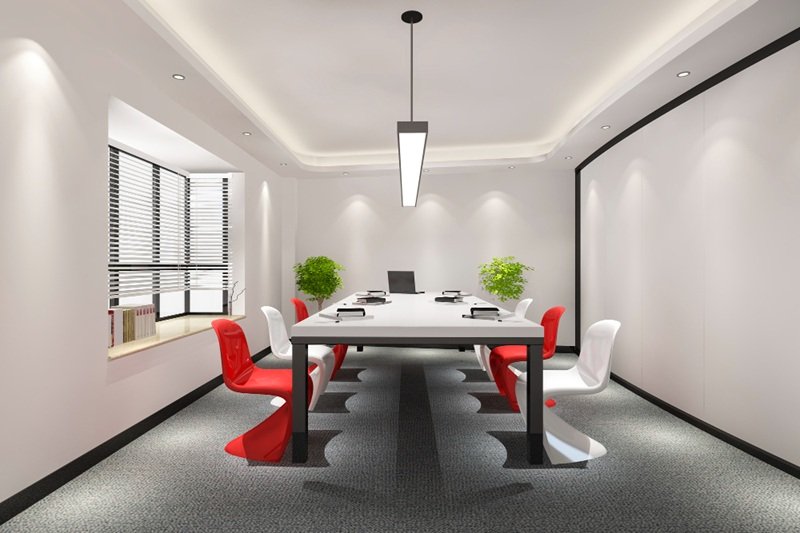
Designing Your Office for Employee Productivity & Happiness
An office is more than a physical space where work is done. It is a space that influences company culture, employee behavior and impacts productivity and satisfaction directly. The modern workplace is no longer about squeezing desks into square footage, it’s about creating an environment that helps people perform their best while genuinely enjoying where they work.
Research demonstrates time and again that employees who are comfortable, valued and inspired in their workplace are more engaged and productive. Whether you are creating a new workspace or a new layout in an existing one, thoughtful office design can transform both the morale and performance of the organization. Here’s how to build your office with employee productivity and happiness at the forefront.
1. Maximize Natural Light and Airflow
Lighting has a very powerful psychological and physiological effect. Natural daylight improves mood, decreases stress and improves concentration. Employees that work in well lit spaces report higher energy levels and sleep patterns, compared to those who work in dim or artificially lit environments.
Position workstations and near windows, whenever possible. Instead of using solid walls, use glass partitions to allow light to travel through the space. If natural light is limited, invest in layered lighting, combining ambient, task and accent lighting to help reduce glare and eyestrain. Equally important is air ventilation. Proper air flow and air quality are key to keeping teams alert and comfortable all day.
2. Prioritize Ergonomic Comfort
Comfort has a direct correlation to productivity. Employees who have a desk job, working for long hours, require ergonomic support to prevent back pain, neck strain and fatigue. Adjustable chairs with lumbar support, height-adjustable desks and the correct positioning of monitors will provide a more healthy working posture.
Ergonomic workspaces not only helps to reduce health issues but also improves focus and efficiency. When employees are physically comfortable, they can devote more mental energy to what they are doing.
If you are exploring ready-to-move-in options, searching for a furnished office for rent near me can simplify setup, as many managed spaces come equipped with ergonomic furniture and optimized layouts.
3. Balance Collaboration and Focus Zones
Collaboration nurtures innovation but uninterrupted concentration brings execution. A productive office design is one that carefully balances open spaces for teamwork and quiet areas for that deep work. Open lounges and shared tables foster the exchange of ideas. At the same time, there are private cabins, soundproof pods or dedicated quiet zones where employees can focus without distractions. Giving employees a choice gives them the power to select the environment that suits their task at hand. This flexibility makes the process more creative and more efficient. It also encourages a sense of ownership and autonomy, which often leads to higher motivation and improved overall performance.
4. Design Flexible and Adaptive Layouts
Workplaces evolve quickly. Teams grow, departments change and work styles evolve. Designing a flexible layout is the way to make sure that your office adapts without the need for constant relocation or renovation. Modular furniture, movable partitions and multi-functional spaces enable reconfiguration. A meeting room can be used as a training room. A breakout area can become the brainstorming area. This adaptability ensures that the workspace continues to support productivity and collaboration, no matter how organizational needs shift over time.
For businesses evaluating offices on rent, flexibility in layout and scalability should be a top consideration. A space that grows with your team supports long-term stability and cost efficiency.
5. Integrate Biophilic Elements
The effect of nature on the human mind is a calming one. Incorporating natural elements such as indoor plants, wooden textures, stone finishes or even natural color palettes can go a long way in reducing stress levels. Biophilic design helps improve air quality and increase visual comfort. Greenery helps make the work space feel less rigid and less intimidating. Even little things such as desk plants or living walls can make a noticeable difference in atmosphere.
When an employee becomes relaxed and connected with their surroundings, creativity and productivity naturally increases. Over time, this harmonious environment not only enhances daily performance but also contributes to overall employee well-being and job satisfaction.
6. Create Inviting Breakout and Wellness Areas
Productivity is not about working all of the time, it’s about having energy. Breakout zones enable employees to recharge, have informal discussions or take short mental breaks. Consider adding:
- A cafe-style pantry area
- Comfortable lounge seating
- Quiet relaxation rooms
- Informal standing discussion corners
Encouraging short breaks in the day helps increase focus and reduce burnout. A well-conceived wellness area delivers a message that employee well-being is valued and that has a direct effect on employee morale and retention.
7. Optimize Acoustic Design
Noise is one of the greatest problems with open office spaces. Constant background conversations, phone calls and movement can greatly diminish concentration. Acoustic panels, carpets, ceiling treatments and soft furnishings absorb sound and reduce echo. Strategic zoning like placing collaborative areas away from focused workstations reduces noise levels even more. A quieter environment helps with cognitive performance and can help employees complete complex tasks efficiently.
8. Reflect Company Culture Through Design
An office should be a visual representation of how your company wants to be known. The colors, artwork, layout and decor should match your brand personality. For example:
- A tech startup may choose to use bold colours and open layouts.
- A consulting firm may want to have minimalist design and private cabins.
- A creative agency may incorporate collaborative lounges and colorful artwork.
When employees feel connected with the space in which they work, a stronger sense of belonging is created. A cultural aligned office leads to a stronger team and increased brand pride.
9. Ensure Strong Technology Infrastructure
Even the best designed office is nothing without good technology. High-speed internet, secure networks, adequate power ports and up-to-date video conferencing systems are non-negotiable.
Hybrid working models require seamless digital integration. Meeting rooms need to be equipped with screens, sound systems as well as collaboration tools that support remote participants just as effectively as in-person attendees.
Technology should improve workflow, not hamper it. A well-equipped office removes frustration and makes daily processes run smoothly.
Conclusion
Designing your office for employee productivity and happiness is not about following trends, it’s about understanding how space influences behavior, mindset and performance. A deliberately designed workplace is balanced with comfort, flexibility, collaboration, privacy, technology and well-being. When all these elements combine, the office stops becoming a place to work and instead becomes a place where people are motivated, valued and inspired.
Businesses that focus on intentional design always enjoy greater engagement, retention and overall outcomes. This is where carefully curated environments such as Vision Spaces make a meaningful difference, creating workspaces that are strategically designed around people, their needs and their growth. At the end of the day, a productive office is based on human potential. When employees are doing well in the correct setting, the organization naturally grows with the workers.
FAQs
Q1: How does office design impact employee performance?
Office design significantly contributes to employee productivity, motivation and overall well-being. Elements like natural lighting, ergonomic seating, proper ventilation and acoustic control help in reducing physical strain and mental fatigue. A well-designed workplace reduces distractions, boosts creativity and promotes a positive work environment, allowing employees to perform at their best and consistently produce results.
Q2: What is the ideal office layout for productivity?
An ideal office layout is one that provides for both collaboration and concentration. A hybrid design with both open spaces for teamwork and quiet spaces for focused work enables employees to select the environments that fit their work requirements. This flexibility accommodates varying working styles, promotes innovation and ensures that both creative discussion and deep work can occur without interruption.
Q3: Are furnished offices better for startups?
Furnished offices are extremely useful for startups as they save them a lot of money and valuable time on the initial setup. With workstations ready to use, ergonomic pieces of furniture, meeting rooms and important infrastructure already available, businesses can get started right away. This convenience frees up startup teams to work on growing, strategizing and acquiring clients rather than office logistics.
Q4: How can small offices improve employee happiness?
Small offices can do a lot to boost employee satisfaction with smart and intentional design. Maximizing natural light, using indoor plants, calming color schemes and creating comfortable breakout corners can make small spaces appear open and welcoming. When employees feel comfortable and valued within their working environment, the morale of the team also improves, resulting in increased engagement and productivity.
Q5: Why are breakout spaces important?
Breakout spaces give employees a chance to step away from their desks to relax and recharge mentally. Short breaks to comfortable and informal areas help reduce stress and head off burnout. These spaces also foster spontaneous conversations and the exchange of ideas, which can lead to creativity and improved team connections, ultimately resulting in improved overall performance.