
Boutique vs. Corporate Office Spaces: Which One Boosts Employee Happiness More?
Table of Contents
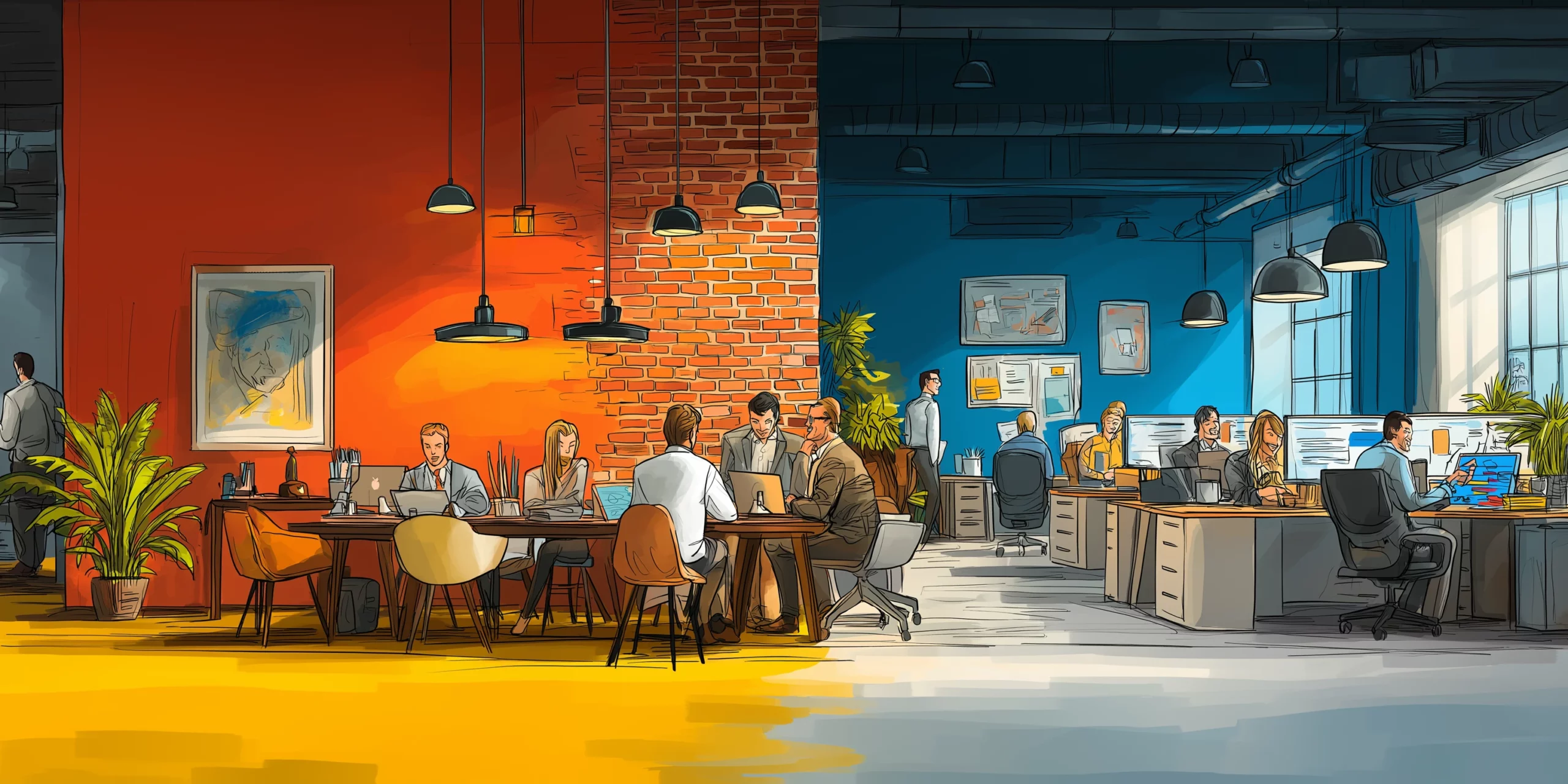
A stark grid of identical cubicles or a sunlit lounge with potted palms and a coffee station just steps away can set the tone for every workday. As teams seek environments that inspire creativity, sharpen focus, and build community, the debate over boutique vs corporate office spaces has never been more pressing.
This blog walks you through mood surveys across workspace types, explains why daylight and personalization matter, and shows how boutique coworking spaces consistently drive higher employee happiness at work.
Surveys and mood analysis from different workspace types
Traditional corporate office environments once signaled stability and hierarchy, but recent data paints a different picture. In Gensler’s 2025 Global Workplace Survey of 16,800 full-time employees, only 14 percent said they still prefer a fixed-desk corporate setting, down from 22 percent in 2022, while over half cited fatigue from repetitive layouts and a lack of communal spirit as key frustrations. In the UAE, overall workplace satisfaction rose modestly in early 2025, yet more than 60 percent of respondents described standard high-rise offices as “uninspiring” and “isolating”.
By contrast, hybrid office spaces, where teams split their week between home and a hosted venue, deliver sharper gains in mood and connection. The 2025 World Happiness Report found that 82 percent of employees with flexible schedules report higher wellbeing scores, compared to just 73 percent in fully on-site roles and 68 percent in fully remote ones. Companies adopting hybrid patterns often see a 15 percent drop in absenteeism and a 12 percent rise in retention, underlining that autonomy over location translates into tangible business benefits.
Yet numbers only scratch the surface. Academic research in the Journal of Environmental Psychology confirms that space diversity directly influences mood. Team members who rotated among three or more distinct settings reported 25 percent lower stress scores than peers in static cubicles. On-site interviews with HR leaders echo these findings: many have reconfigured leased floors to mimic coworking-style zoning, adding moveable walls and communal islands to arrest declining employee happiness at work and cut turnover costs.
Boutique coworking spaces top the charts in member satisfaction:
- 84 percent of coworkers report feeling more motivated than in a standard corporate office, thanks to varied seating and pop-up programming.
- 72 percent highlight community events: workshops, happy hours, and roundtables as key drivers of morale.
- 69 percent say shifting between open lounges, private booths, and meeting rooms prevents burnout and keeps energy steady.
When comparing small office vs large office happiness, boutique-style formats win hands-down. They blend open collaboration zones, private focus pods, and curated social areas; features that sprawling headquarters struggle to match.
Role of natural light, personalization, and freedom
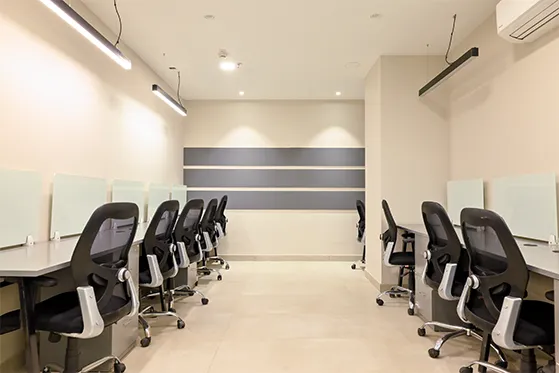
Nothing drains energy like flickering fluorescents and windowless corridors. Natural light isn’t just an aesthetic perk; it’s a cornerstone of office space design and productivity. Data shows that daylight access can reduce eyestrain, cut headaches in half, and improve sleep quality, so teams show up feeling rested and sharp.
Personalization turns “just another desk” into a true work zone. A favorite plant, a meaningful photo, or a custom lamp can make people feel seen and valued. Companies that encourage personal touches report higher retention and loyalty, as employees build pride in their spot. In a boutique coworking space, personal style choices, whether you pick a bright corner desk or a minimalist pod, are built in from day one, helping you feel at home in a new setting.
Freedom is the final spark. When teams choose where and when they work, they take ownership of both processes and happiness. Offering a menu of work zones like focus rooms, café tables, standing desks that let people match their task to the right spot. This autonomy ranks among the top factors in the best office environment for employees, with many willing to trade perks or pay for control over their day.
Why boutique spaces lead to higher engagement
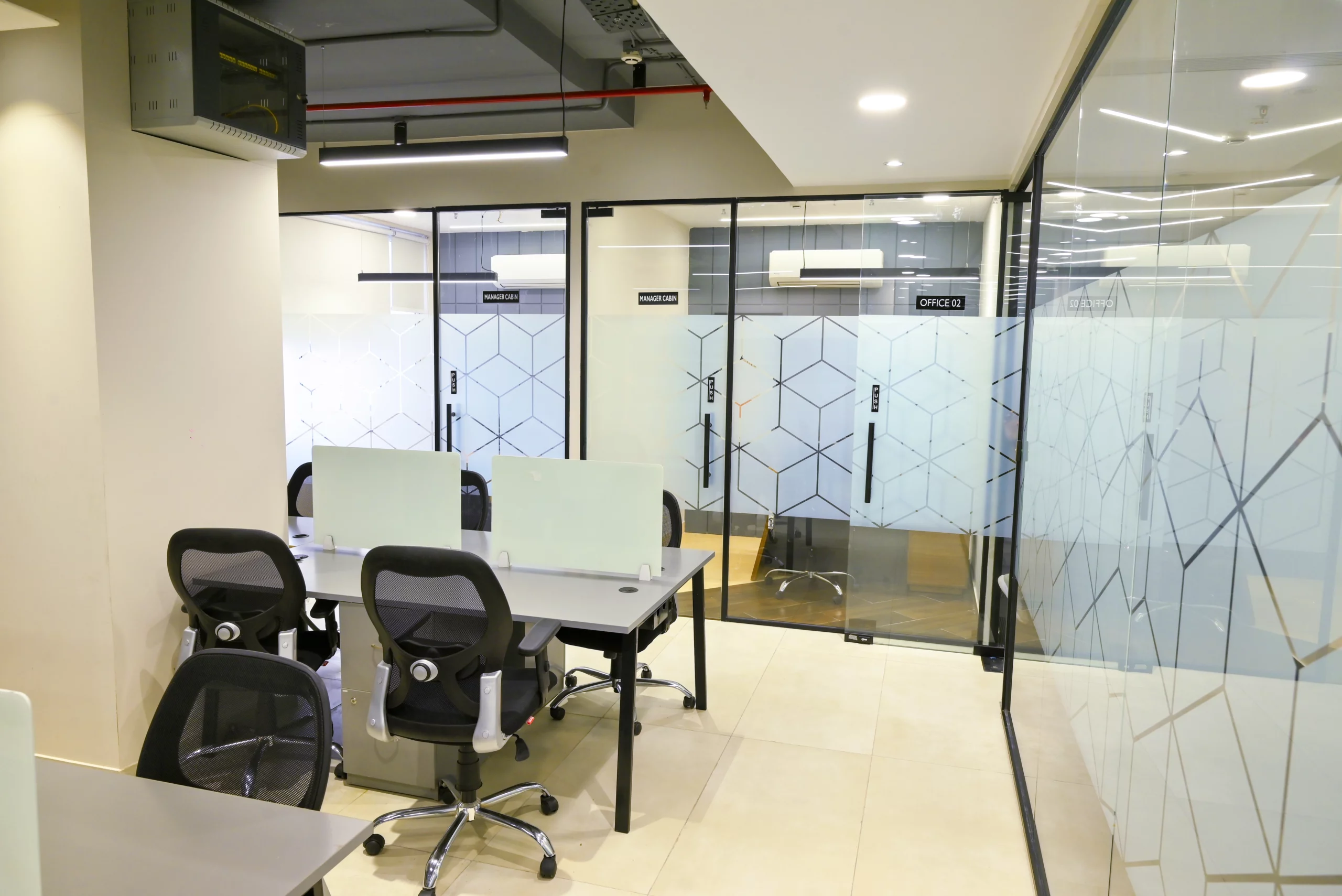
Your office should do more than provide a desk; it ought to spark ideas, sharpen focus, and bring people together. In boutique coworking spaces, every detail is shaped around how teams work best, creating an atmosphere where energy and inspiration flow naturally. Rather than rows of identical desks, you find a carefully curated mix of:
- Plug-and-play desks for drop-in work
- Phone booths for private calls
- Café-style elegant lounges for casual meetups
- Quiet alcoves for deep focus
- Wellness corners for short recharges
This variety delivers on the promise of employee happiness at work, letting you shift from solo tasks to team huddles without missing a beat.
Beyond furniture, boutique venues double as communities. Regular events like member meetups, skill-shares, happy hours, turn coworkers into collaborators. Far from feeling isolated in cubicles, you belong to a network that sparks innovative ideas and referrals. Studies of coworking members show engagement scores at least 10% higher than in conventional firms, thanks to trust, freedom, and shared purpose.
Boutique operators also tweak acoustics, air quality, and color palettes to boost mood. Sound-absorbing panels in focus zones reduce distractions; living green walls in lounges add freshness; adjustable lighting adapts to your circadian rhythm. These details are often missing in corporate HQs.
Finally, boutique memberships often come with flexible terms: month-to-month plans, on-demand meeting rooms, and add-on services like mail handling or event hosting. This agility means your workspace scales with your team, avoiding long-term leases that weigh down a growing startup or SME.
Choosing between boutique vs corporate office spaces comes down to varying degrees of freedom, design, and community. At Vision Spaces, we’ve designed environments that adapt to your pace and fuel your goals. From solo founders building the next breakthrough to creatives seeking inspiration and growing teams thriving on collaboration, we’ve created spaces that know exactly what you need.
FAQ's
Boutique offices are small-batch, design-focused environments that come fully furnished with high-quality fixtures, flexible short-term leases, and options for branding and customization. They often include concierge-style services, shared community areas, and prime urban locations that foster collaboration. In contrast, corporate office spaces typically feature fixed layouts, long-term leases, standardized furniture, and limited ability to tailor the environment to a team’s culture or workflow.
Boutique and coworking environments generally generate higher wellbeing scores than traditional offices. Members of boutique spaces often report greater motivation and a stronger sense of community—key drivers of happiness—thanks to choice of work settings, varied social occasions, and flexibility in how and where they work.
Natural light goes beyond ambience as it reduces eyestrain and headaches, lowers fatigue, and helps regulate circadian rhythms for better sleep and daytime alertness. Workspaces designed around daylight tend to foster higher overall happiness and focus among teams.
Boutique coworking memberships often come at a premium compared to traditional lease rates, but they bundle in utilities, cleaning, high-speed internet, and shared amenities under a single fee. Corporate leases may seem cheaper on paper, yet tenants usually shoulder separate costs for power, maintenance, taxes, and fit-outs. When you factor in those extras plus the flexibility of short-term agreements, boutique options can deliver stronger overall value—particularly for small teams and startups.
Personalization—allowing employees to add plants, photos, or custom lighting—fosters a sense of ownership and belonging, which correlates with higher job satisfaction and loyalty. Tailored work environments, including quiet zones for focus and collaborative areas for teamwork, accommodate diverse work styles and drive both comfort and productivity.