

The Environmental Benefits of Running a Business from a Virtual Office
Table of Contents
Your daily commute might be costing more than just your time. The shift to a virtual office space is one of the most impactful decisions a business can make for both their bottom line and the planet. As concerns about climate change intensify and sustainability becomes a business focus, virtual offices are emerging as powerful tools for companies seeking to align profitability with environmental responsibility.
For modern businesses, particularly solopreneurs and startups, the question isn’t whether to consider eco-friendly business practices, but how quickly they can implement them. A virtual business environment offers the perfect entry point into sustainable remote work, providing immediate environmental benefits while maintaining professional credibility.
Cutting Your Carbon Footprint
Transportation is a major cause of emissions, contributing around 12% of the country’s total CO2 emissions in 2025, with passenger vehicles and light-duty trucks accounting for a substantial share. If employees who can work remotely do so half the time, it could lead to meaningful reductions in CO₂ emissions by cutting daily urban trips and reducing fuel demand.
For teams shifting to a virtual business environment, these avoided trips also reduce congestion-related idling and local air pollutants that come with peak-hour travel. In countries like India, where urban traffic congestion is severe, the emissions and time savings can be even more significant.
Cutting Building Energy Demand
Commercial offices require baseline power for HVAC, lighting, elevators, and plug loads even when occupancy is low. This means partial attendance still burns significant energy. By scaling down space and relying on a virtual office space for address, mail, and on-demand meeting rooms, companies cut energy tied to underused square footage while keeping professional presence intact.
This shift aligns with broader emissions data, highlighting the dual gains from fewer commutes and smaller commercial loads. Pairing remote work with targeted space usage amplifies the benefits.
Reducing Paper Waste
Paper production and disposal carry deforestation, water, and energy costs, and paper remains a large component of office waste going to landfills. A paperless working environment reduces upstream material intensity and downstream waste. Digital signatures, cloud-based collaboration, and online record-keeping remove the need for multiple printed drafts, couriering, and dedicated storage.
Remote Work and the Shift Toward a Digital-First Model
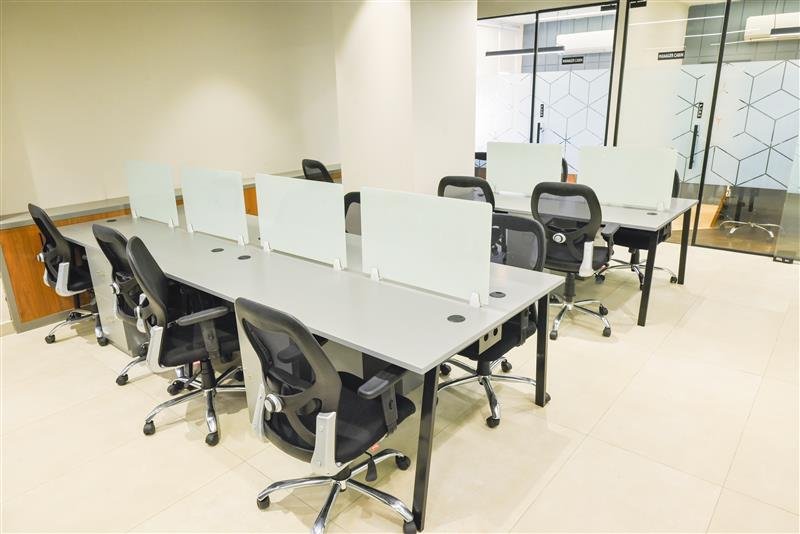
Adopting a digital-first model turns a virtual office space into a central operations hub. Instead of physical file cabinets, on-premise servers, and printed documents, businesses can move to a presence-less and paperless working environment with real-time document editing, secure file sharing, and video conferencing.
Moreover, cloud collaboration and e-signatures keep teams moving without the delays and waste of paper-based systems. This approach speeds up approvals, improves communication, and lowers material and travel costs.
Expanding Reach Without Relocation
Moving digitally also broadens access to talent, among other benefits already mentioned earlier. Companies can hire skilled professionals from different regions without relocation, reducing emissions tied to employee moves. Virtual meetings replace routine travel, and in-person meetups are scheduled only when they add tangible value.
Simple guidelines such as energy-conscious device use and extended equipment lifecycles keep operations low-impact while maintaining efficiency.
Reducing Dependence on Physical Resources and Office Utilities
Traditional offices consume resources constantly: HVAC systems, lighting, bottled water, cleaning supplies, and office furniture all carry production, transport, and disposal impacts. Many of these run even when parts of the office stand empty.
By moving to a virtual business environment, companies cut fixed loads drastically. Space is booked only when needed for client meetings or workshops, reducing ongoing energy costs and related emissions.
Financial and Environmental Benefits Working Together
Lower square footage also means fewer devices to purchase and replace over time, trimming embedded carbon in manufacturing. Utility bills, janitorial contracts, and consumable purchases decline, freeing funds for renewable-powered services, recycling programs, and eco-conscious travel incentives for necessary in-person days.
This combination strengthens both budgets and environmental performance.
Building a Sustainable Brand and Strengthening Market Perception
Operating through a virtual office space signals a real commitment to eco-friendly business practices. Clients and partners increasingly appreciate seeing real action — such as running proposals, invoicing, and service delivery through digital platforms, and keeping travel intentional rather than default.
Many procurement frameworks now consider environmental criteria. Demonstrable steps like reduced commuting, smaller facility footprints, and paperless workflows help businesses meet these requirements credibly.
Attracting and Retaining Talent
Inside the company, sustainability supports talent retention. Younger professionals often view climate-conscious operations as essential and are drawn to organizations reflecting their values. Making sustainability part of everyday work culture sends a consistent brand message both internally and externally.
How Indian Solopreneurs Are Working Toward Environmental Goals
Solo founders in India are increasingly relying on virtual office space with GST-ready addresses and paperless, online business setups to reduce commuting and overhead while staying compliant.
With cloud invoicing, e-signatures, and secure document sharing, tasks once involving printing, couriering, and storage now run fully online. Meetings are remote by default, with on-demand facilities booked only for client-critical events. This reduces both transport emissions and operational costs.
Practical Low-impact Choices
At home workstations, founders choose energy-efficient laptops, LED lighting, and equipment timers to cut idle power use. Where possible, refurbished devices and certified recycling paths keep e-waste under control.
For logistics, services that consolidate deliveries or include electric vehicle options help lower the footprint of occasional shipments. Printed marketing materials are replaced with QR-based resources that provide more information while avoiding bulk print waste.
Quick checklist for Indian solopreneurs:
- Register with a GST-compliant virtual office space and manage operations digitally.
- Go paperless with e-signatures, cloud storage, and reusable templates.
- Batch in-person meetings and pick transit-connected coworking hubs.
- Extend device life and recycle through certified channels.
- Replace printed collateral with digital equivalents and choose low-impact shipping options.
The Role of Virtual Office Space in Supporting Eco-Friendly Practices

A virtual office space centralizes professional services like mail handling, call reception, and bookable meeting rooms into an on-demand model. This cuts down the constant energy, space, and material requirements of a permanent office.
Shared-use facilities spread the footprint of equipment such as printers, coffee machines, and HVAC systems over many businesses, leading to fewer devices manufactured and less waste generated overall.
Building Environmentally Positive Habits
The structure of virtual work encourages patterns that match sustainability goals: virtual meetings first, bundling in-person errands to reduce travel frequency, and keeping document flows fully digital. Over time, these routine choices create a measurable reduction in the company’s environmental load without sacrificing accessibility or professionalism.
Conclusion: Lightening Your Environmental Impact Through Smarter Work Models
A virtual office space cuts commuting emissions, reduces building energy needs, and eliminates regular paper use through digital workflows. The result is a combination of cost savings, reduced environmental footprint, and operational flexibility. Solopreneurs and SMEs can adopt this approach to run credible, eco-conscious operations in line with global and local sustainability expectations.
By keeping professionalism and credibility intact through registered addresses, on-demand meeting facilities, and integrated digital tools, it is possible to operate with far less physical impact. With the right virtual setup, reducing environmental load can go hand-in-hand with growing a business that clients respect and talent admires.
Start working the way your business and the planet will thank you for. Contact us today and design a workspace plan that reflects your values, fits your goals, and carries your brand forward with credibility.
FAQ's
A virtual office provides a professional address, mail handling, call answering, and access to meeting rooms without renting a full-time space. It is GST-compliant, making it valid for company and tax registrations in India. The setup reduces high fixed costs from commercial leases, utilities, and maintenance. Solopreneurs and SMEs can expand into new cities without committing to permanent real estate.
They eliminate most daily commutes, cutting fuel use and transport-related emissions. Consolidating space reduces the constant HVAC, lighting, and cleaning loads of underused offices. Paperless workflows remove the need for printing, couriering, and physical storage. Shared facilities spread the environmental footprint of utilities and equipment across multiple companies. Cloud collaboration tools further replace in-person trips, lowering the operational carbon footprint significantly.
Yes, it tackles three major sources of office-related emissions: transport, building energy, and paper usage. Working remotely for part or all of the week avoids routine travel and reduces reliance on large commercial spaces. Digital-first tools such as e‑signatures and cloud storage replace paper-heavy processes entirely. Providers often pair services with renewable-powered systems, further lowering your footprint.
Yes, they are. As many GST-ready monthly plans start with very low fees. Covering a professional address, mail collection, and basic admin support without long leases or deposits. You avoid paying for utilities, cleaning, furniture, and IT infrastructure you might rarely use. Meeting rooms can be booked only when required, keeping expenses proportional to actual work needs.
In most situations, yes, because it cuts commuting, reduces energy use from idle space, and promotes paperless operations. Traditional offices consume resources daily, even when under‑occupied, leading to avoidable waste. Virtual models shift activity to efficient home setups and shared hubs closer to the need. This greatly lowers total emissions and material use across the year.