
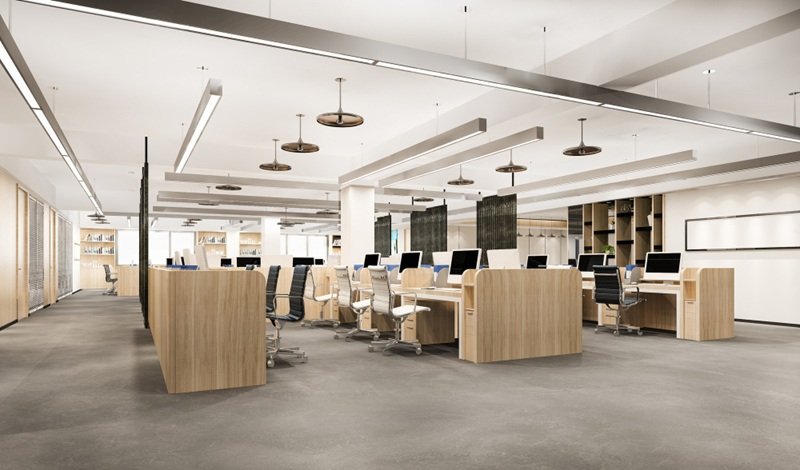
7 Things to Consider When Looking for an Office Space
Choosing the right office space is one of the most important decisions for any business, whether you’re a growing startup, a small team or an established company expanding operations. The right environment can help lead to increased productivity, encourage talent attraction, reduce costs and can help in establishing your workspace with your brand’s identity. However, there are so many factors that we need to consider that sometimes it becomes easy to overlook important aspects that matter most.
Based on industry insights and best practices, here are 7 key considerations to help you in your search when looking for an office space that meets your current space needs and supports growth in the future.
1. Define Your Business Needs Clearly
Before you begin touring properties, sit down with your leadership team and articulate what you really are looking for from an office space. You need to consider how many employees you have now as well as what your growth projections will be over the next 1-3 years. Think about the work style of your team; do you need open plan desks, private meeting rooms, quiet rooms or collaborative spaces? Understanding these needs at the earliest helps you in shortlisting the options that are functional and cost-effective.
A space that does fit your workflow not only increases your efficiency but also improves team satisfaction. This clarity also avoids the risk of selecting spaces that will feel cramped down the road or alternatively, paying for unnecessary square footage.
2. Location, Accessibility & Connectivity
The physical location of your office can affect the day-to-day operations, employee satisfaction, client visits and even your brand image. Look for spaces that are easy to get to, well-connected by road and public transport and in business-friendly neighbourhoods. Accessibility during peak hours is as important as proximity is, something that looks close on paper may not be convenient in reality.
A smartly selected location can boost employee retention and can make client meetings more convenient. In addition, think about amenities close to home like restaurants, banks, gyms and public services, these add to everyday work life and eliminate logistical headaches.
3. Budget Realistically and Avoid Hidden Costs
Rent is often the first number businesses look at, but it’s only one part of your total expenditure. When comparing options like traditional offices and coworking spaces, account for offices on rent, utilities, maintenance charges, security deposits, property taxes, cleaning services, and internet costs to get the full picture. Hidden expenses can quickly add up if not considered upfront.
Budgeting wisely also means knowing the terms of the lease (i.e., lock-in periods, escalation clauses and notice requirements). A space that initially appears affordable can end up being expensive, when utility or service charges are unexpectedly high or included in a fixed monthly bill, without disclosure.
4. Scalability & Flexibility for Future Growth
Your ideal office should not only solve the requirements for today but also allow for the possibility of growth for tomorrow. Businesses change, teams change, departments change as well as workflow patterns change. Look for spaces that provide flexibility such as modular layouts, expansion options or lease terms that provide the ability to scale up quickly.
Flexible lease structures and phased expansions help companies avoid relocating every time they outgrow a space. Even if you choose a small boutique office in Noida or another city, ensure the provider offers options like shared breakout areas or additional cabins when needed.
5. Amenities, Infrastructure & Support Services
What are the amenities provided in the office? Does it have fast internet, good power back-up, ergonomic furniture, meeting rooms, security and parking? These infrastructure elements could significantly impact the employee experience and daily productivity of their employees.
Modern work places frequently have reception services, pantry areas, cleaning staff and maintenance back-up, particularly in managed or serviced offices. Having these services bundled can make life easier and cut down on the administrative burden on your in-house team. Ensuring good tech infrastructure including network reliability and audio-visual setups for meetings, makes sure that your workspace is highly functional from the very first day.
6. Work Environment, Design & Culture Fit
The design and feel of your office space play a small but important role in shaping the culture in your workplace. A well-thought-out office helps you boost morale, improves collaboration and is an extension of the personality of your brand. Look at layout, lighting, ventilation, noise control and ergonomics. Open spaces promote teamwork and private cabins focus on work.
Even aesthetics can play a role in perception; a well thought-out office can send a message of professionalism to clients as well as prospective employees. Your office should be something that your team feels proud to work from every day.
7. Legal & Lease Considerations
Before signing any agreement, look for all the legal clauses carefully. Understand your rights and obligations under the lease e.g. renovation permissions, liability for damages, terms of exiting the premises and options for renewal. Clarify whether the lease says that you can sublease your space, transfer your space or upgrade your space during your tenancy.
Getting legal counsel or the opinion of an experienced broker can help you avoid unfavourable terms such as high penalties for early exit, confusing clauses or ambiguous responsibilities. A transparent, open lease helps create confidence and set up your time in your new office.
Choosing Smart Today for a Stronger Tomorrow
Choosing the right office space is a strategic decision that has a direct impact on productivity, employee satisfaction, brand perception and long-term growth. By carefully considering your business needs, your location, your budget, your scalability, your amenities, your design and your legal terms, you can avoid costly mistakes and create a workspace that truly supports your goals. The ideal office is not only for today, but also flexible enough for tomorrow. If you’re looking for a contemporary, equipped and growth-oriented setting, Vision Spaces is the flexible office space that helps startups and established businesses grow with confidence and convenience.
FAQs
Q1: How much space should my business rent?
Consider your current headcount and growth for 1-3 years. Generally, try to get around 70-100 sq. ft. per person (this may vary depending on your work style and design preferences).
Q2: Is it better to rent or buy office property?
Renting is a flexible and affordable option, especially for young businesses. Buying makes sense if you have stable cash flow, long-term certainty and need property appreciation benefits. It depends upon your strategy and money.
Q3: What amenities are essential in an office space?
Key amenities include internet, power back up, meeting rooms, security, parking, ergonomic seating, supportive services such as maintenance; these are available to ensure comfort and smooth operations on a day-to-day basis.
Q4: How do I estimate the office rent budget?
Begin with the base rent, then add utilities, service charges, maintenance fees, parking costs, taxes and possible escalation clauses. Always put in a buffer for unexpected expenses.
Q5: Should I choose coworking over a traditional office?
Coworking is a great option for flexibility, in-house services and community benefits, which is great for startups or small teams. Traditional offices are more suitable for larger setups that require full control over office layout and branding.
Q6: What is the importance of office location?
Location impacts commute time, client impression, talent attraction and access to amenities. A nicely connected, reputable area increases productivity and brand perception.
Q7: Can an office space support future team expansion?
Select spaces with modular layouts, expansion rights or flexible lease terms to allow for the addition of workstations or rooms as required, without the need for expensive relocations.