

Managed Office Spaces: A Smart Hedge Against Long-Term Leasing Risks
Table of Contents
It’s 2025 and many growing businesses still sign five to ten-year commercial leases, only to face surprise capital expenses and sudden rent hikes that derail hiring plans and product roadmaps. India’s office sector has boomed, yet those long-term commitments too often leave teams scrambling to cover fit-out bills, maintenance surcharges and rising utility costs.
Fortunately, managed office spaces flip that script by packaging private offices, meeting rooms and communal lounges into a single subscription. From fit-out and furniture to IT support, security, utilities and cleaning, everything is covered—so you can redirect your energy toward growth instead of facility management.
Whether you’re comparing managed office vs traditional lease, seeking cost-effective office space or scouting Office space solutions, this post unpacks the factors behind cost volatility in India’s commercial real estate, show how managed office spaces convert hidden capex into clear operating expenses, and share practical insights to help mid-stage startups scale with confidence.
Read on to see how to reduce office leasing risks and keep your budget on track.
Cost volatility in Indian commercial real estate
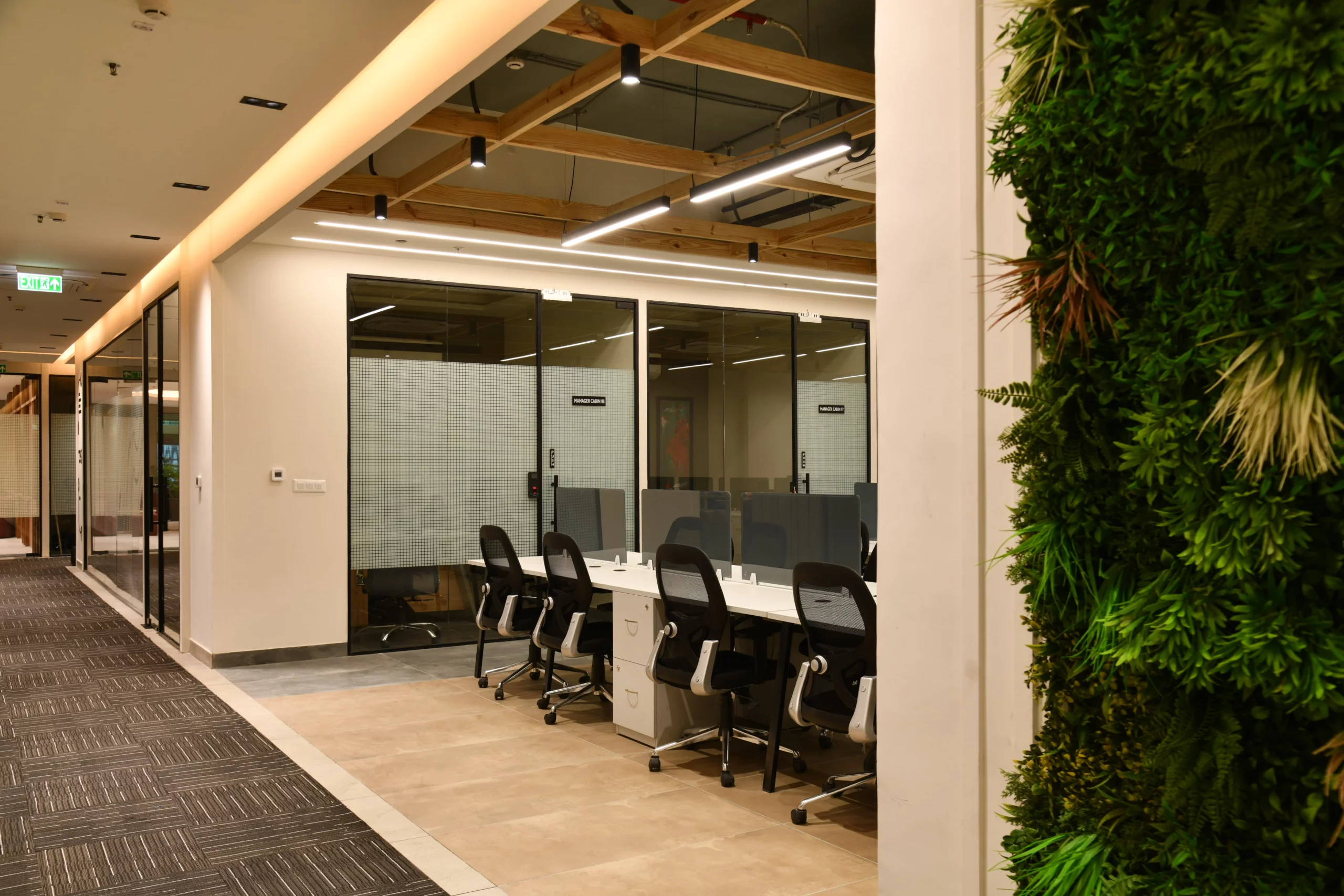
Demand for quality workspaces in India consistently outpaces supply, sending average rents on a roller-coaster ride. One quarter, rents may spike as companies expand; the next, landlords cut rates to fill vacant floors. This unpredictability makes it hard to forecast annual budgets and operating expenses.
Traditional leases saddle tenants with upfront capital outlays, often two months’ rent for interiors along with the annual maintenance charges and variable utility surcharges. When teams adopt hybrid schedules, half-empty floors still incur full rent and common-area fees. That mismatch can swallow up to 35 percent of your office budget, diverting funds from hiring, product enhancements or community programs.
Secondary peaks in coworking penetration only add complexity. As coworking operators adjust pricing to match demand, rates can shift rapidly. If you’re locked into a long-term lease, you miss out on lower short-term offers and face unforeseen cost escalations.
For SMEs and startups, these swings translate to tough trade-offs: delay a marketing campaign to cover soaring rent, or pause hiring to pay an unexpected maintenance bill. In contrast, managed office spaces shield you from these shocks by locking in a steady monthly fee and including most services under one umbrella.
Why managed office spaces reduce leasing and CapEx risks
Subscription-style workspace solutions India-wide turn hidden capex into a clear operating expense. Instead of negotiating a long-term fit-out contract, you move into furnished offices, branded lounges, and high-tech meeting rooms from day one.
- No upfront build-out spend: Your capex shifts to opex, preserving cash flow for growth initiatives.
- All-inclusive services: Reception, cleaning, security, IT support and utilities under one fee.
- Flexible footprint: Scale desk counts up or down on minimal notice to match team size.
- Ready network: Instant access to offices in Mumbai, Delhi, Bengaluru and beyond under one agreement.
- Tech-enabled spaces: Conference rooms are equipped with video-conference gear and high-speed internet, so hybrid teams stay connected.
These benefits of managed office spaces extend beyond finance. You avoid juggling multiple vendor agreements and surprise repair bills. In a managed office vs traditional lease scenario, you gain agility: if headcount dips after a project ends, you reduce seats; if you win a new contract, you add desks without renegotiating a multi-year commitment.
The shift to cost-effective office space also improves your balance sheet. By converting capex into opex, you maintain stronger working capital ratios and can present clearer forecasts to investors or lenders. This financial clarity makes strategic planning simpler and funding rounds smoother.
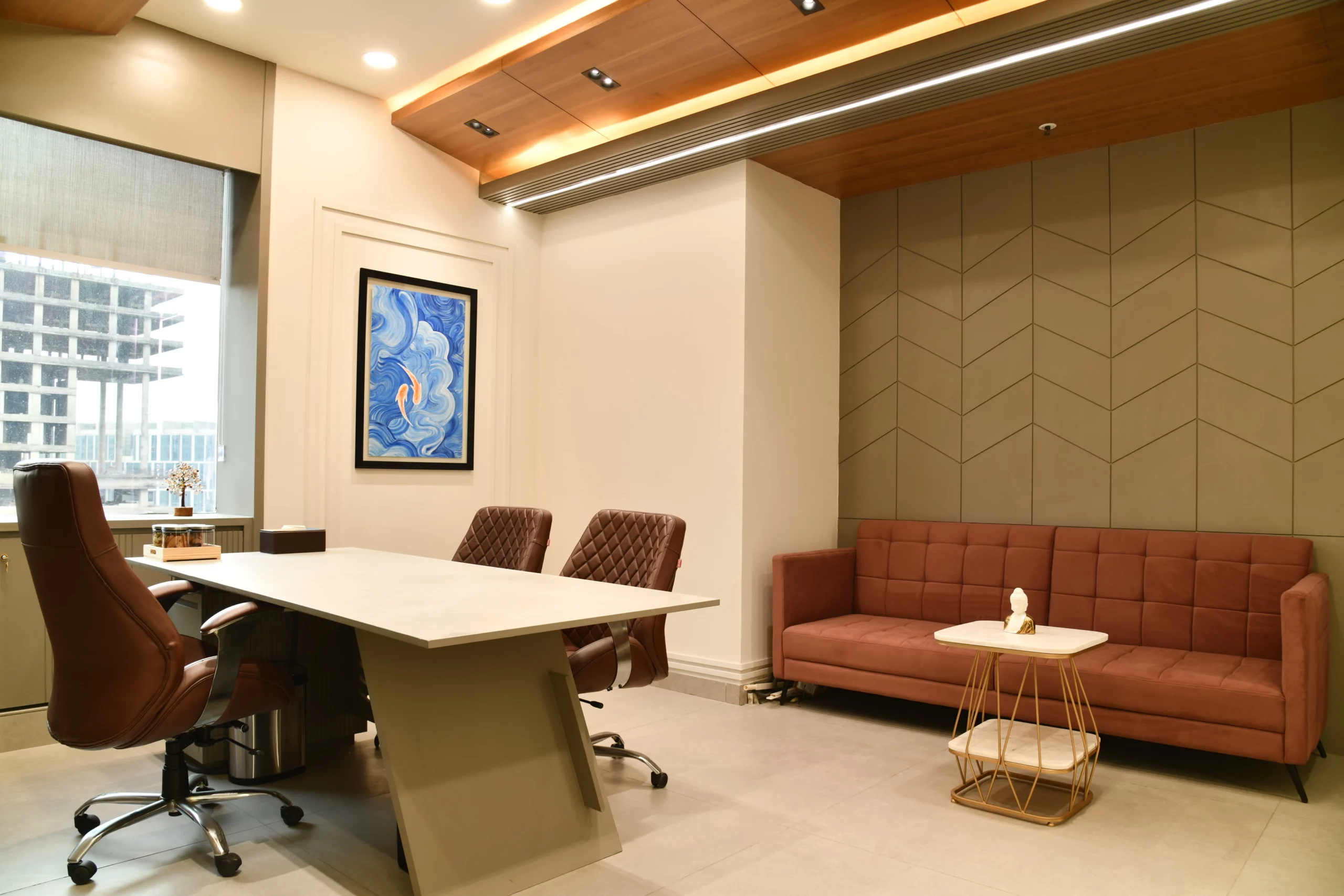
Relevant insights for mid-stage startups
Mid-stage startups juggle growth targets with budget discipline. Steering clear of large fit-out outlays means you can fund an extra engineer or marketer each quarter, accelerating product launches and market entry.
When expanding into new cities, fresh lease negotiations can take months. A managed provider’s network lets your teams plug into flexible office spaces immediately, complete with local reception and facilities support. Your sales and operations leaders land in a branded, connected office on day one, while you focus on customers, not contractors.
Community-driven programming is built into many managed models. Regular member events such as pitch nights, skill workshops and networking breakfasts, spark collaboration and referrals. That sense of community drives retention, accelerates learning, and can even lead to co-development partnerships. These cultural perks highlight another benefit of managed office spaces: turning workspace into a hub for growth.
Professionalism matters when hosting investors or key clients. Branded meeting rooms and furnished lounges signal credibility without the capex burden of custom interiors. You control your company identity within a subscription framework, so your workspace evolves as your brand and team scale.
Finally, managed providers often handle compliance and Vastu recommendations, ensuring your space meets local regulations and supports wellness. This end-to-end support reduces administrative overhead and lets you stay focused on building your core business.
Let’s reimagine your next office
Opting for managed office spaces delivers budget certainty, operational flexibility and community engagement in one package. Whether you need Office space solutions in a single location or a network of workspace solutions India-wide, this model lets you sidestep capex traps and unpredictable expenses.
FAQ's
Managed offices are empty workspaces that a specialist provider custom-fits and operates end-to-end, including layout, furniture, IT, and reception. Tenants benefit from a single agreement covering fit-out, utilities, and facilities management.
They offer flexible, short-term leases (often 12–36 months with break-clauses) to avoid long-term lock-in. A single provider assumes responsibility for fit-out, maintenance, and landlord negotiations, ensuring clear accountability.
By bundling rent, utilities, fit-out, and services into one predictable fee, they eliminate large upfront capex for interiors and infrastructure. This lets startups in Bengaluru, Pune, and Delhi access premium locations without heavy investment.
Startups and SMEs seeking rapid scalability, project teams needing bespoke short-term space, and enterprises opening satellite hubs benefit most. They’re ideal for businesses that value agility, cost certainty, and turnkey operations